

The Chrono Vault
The Illusion of Movement transforms a traditional bar and retail space into an immersive timeline that explores the evolution of technology. Visitors journey through a multi-sensory experience that blurs the boundaries between the virtual and physical.
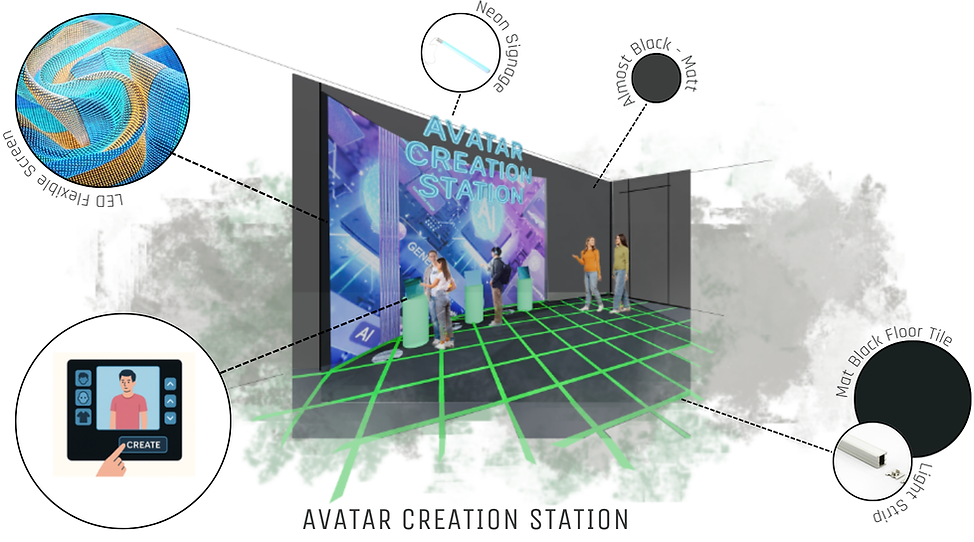
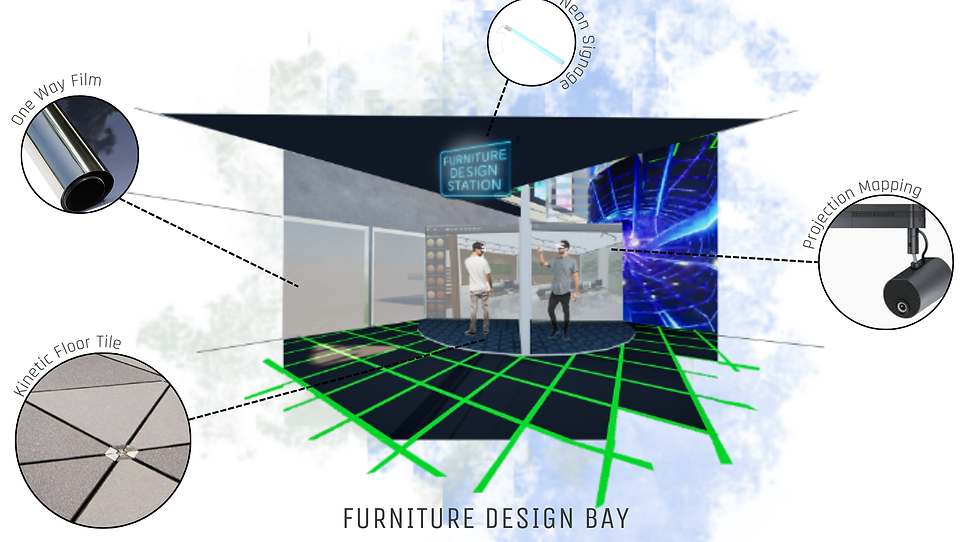
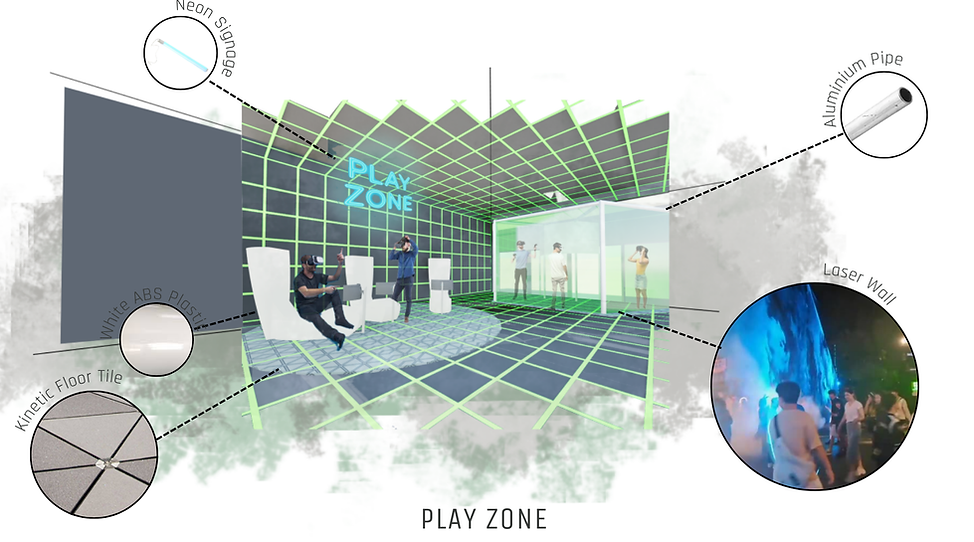
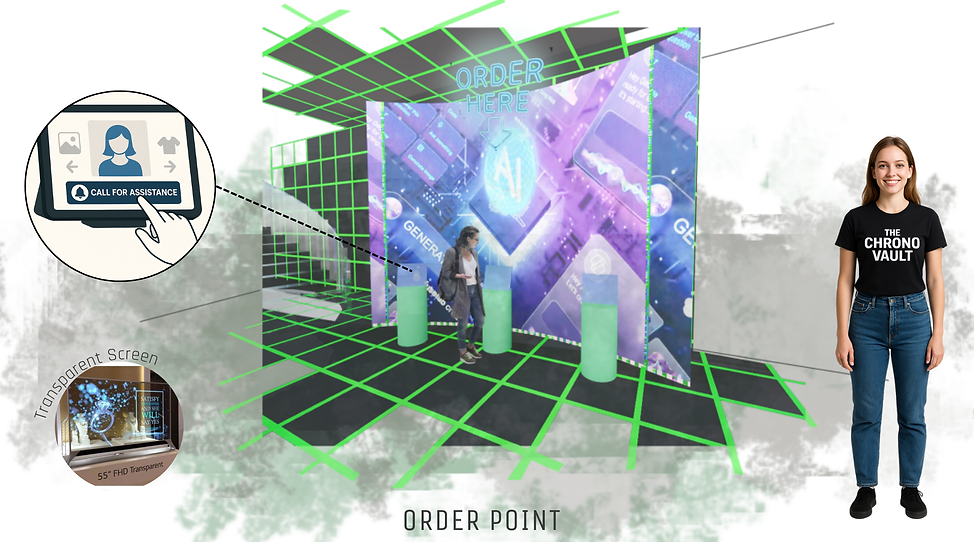
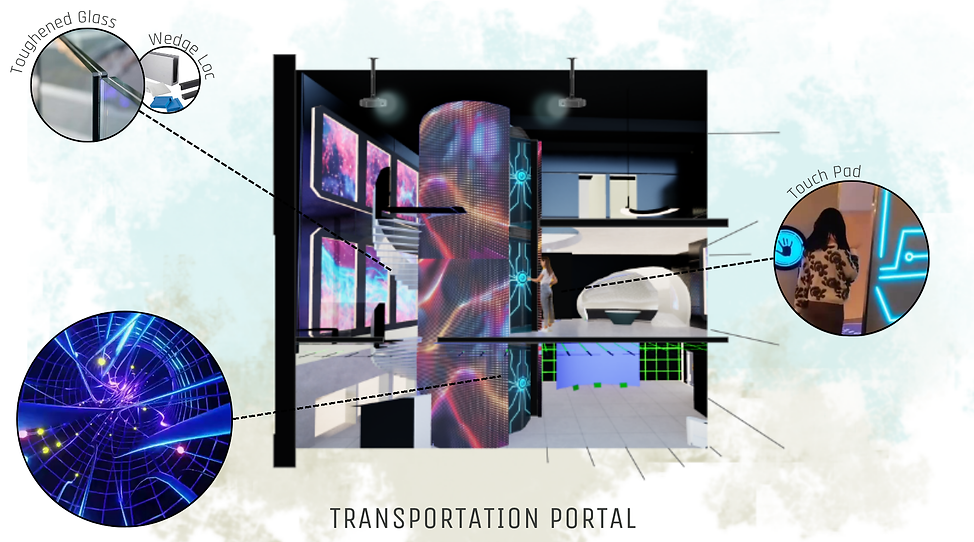
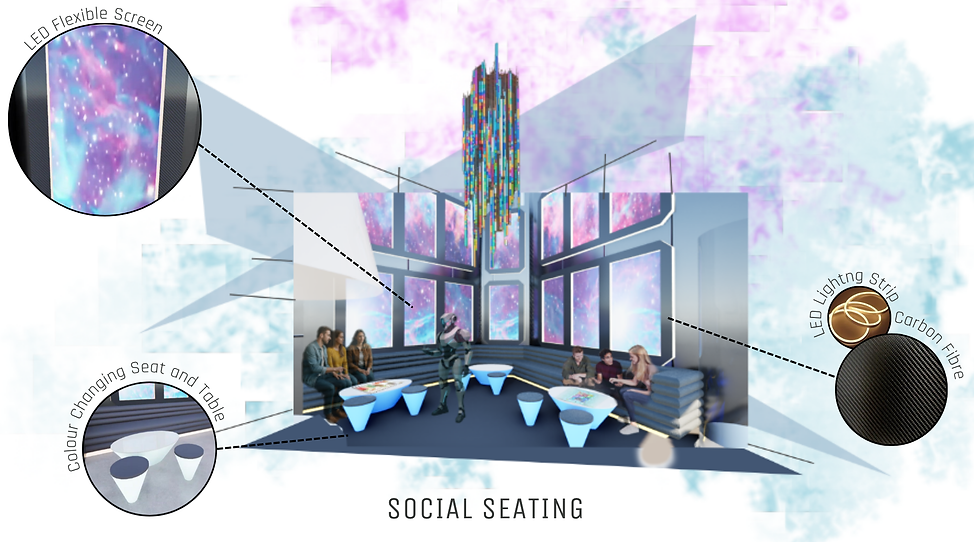
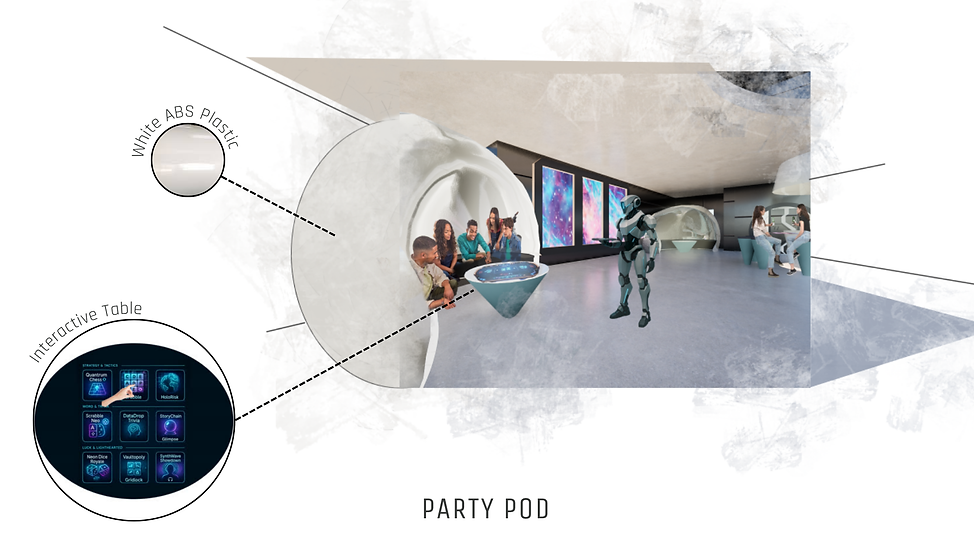
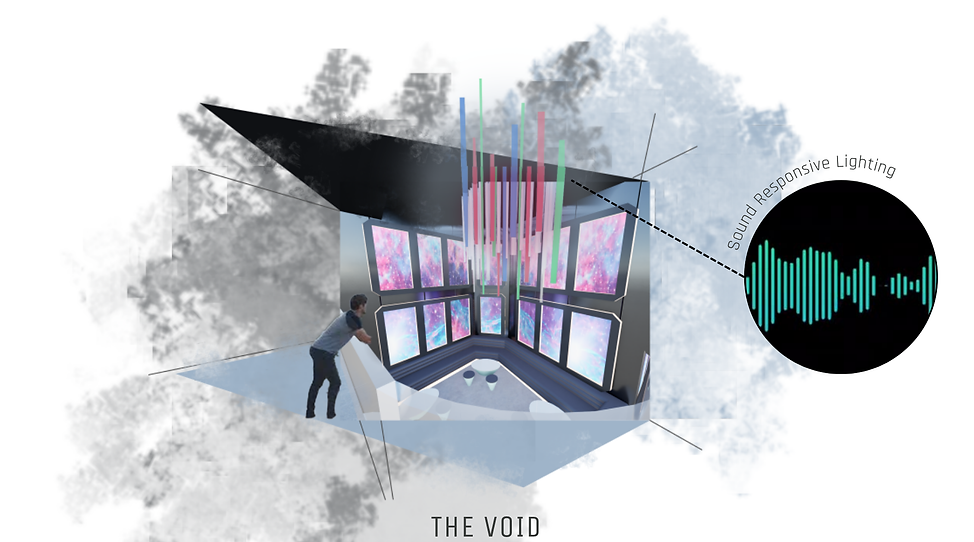
Beginning with a VR-powered gaming retail hub, guests engage with AI guidance and customisable setups. A cylindrical transition space simulates movement through time, leading to an AI-driven bot bar complete with kinetic flooring, smart tables, and robotic bartenders. This playful yet futuristic environment invites users to explore the present, and future of digital interaction in one seamless, narrative-driven experience.
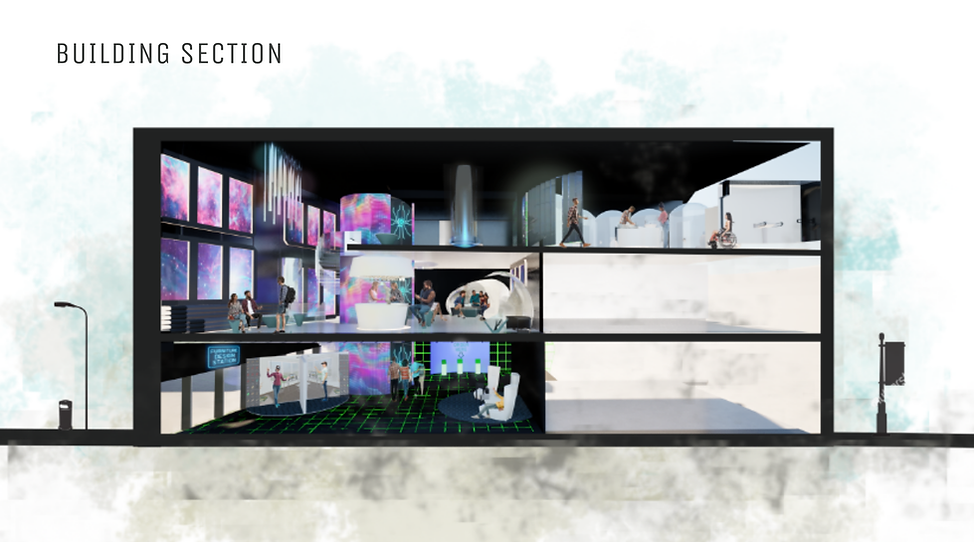


Technical Drawings

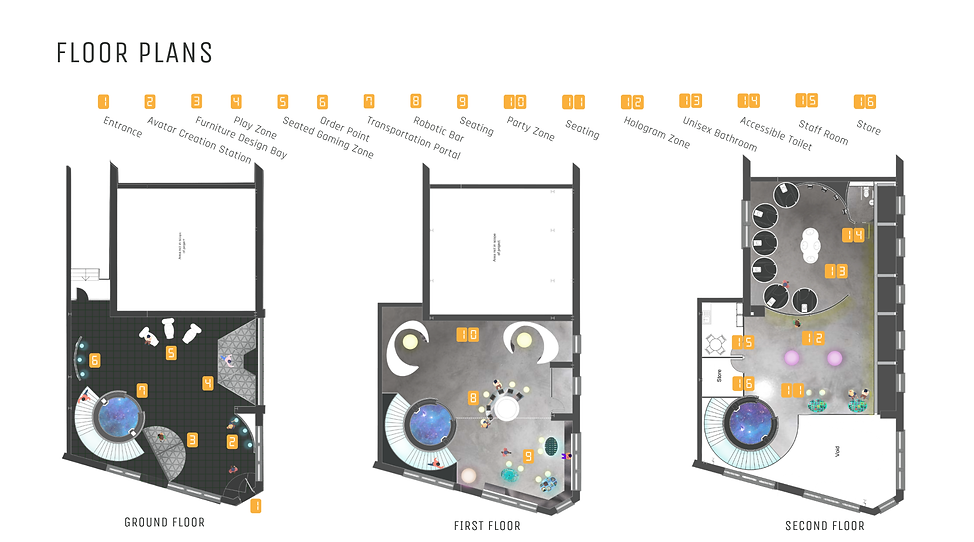
GA Plan Ground Floor
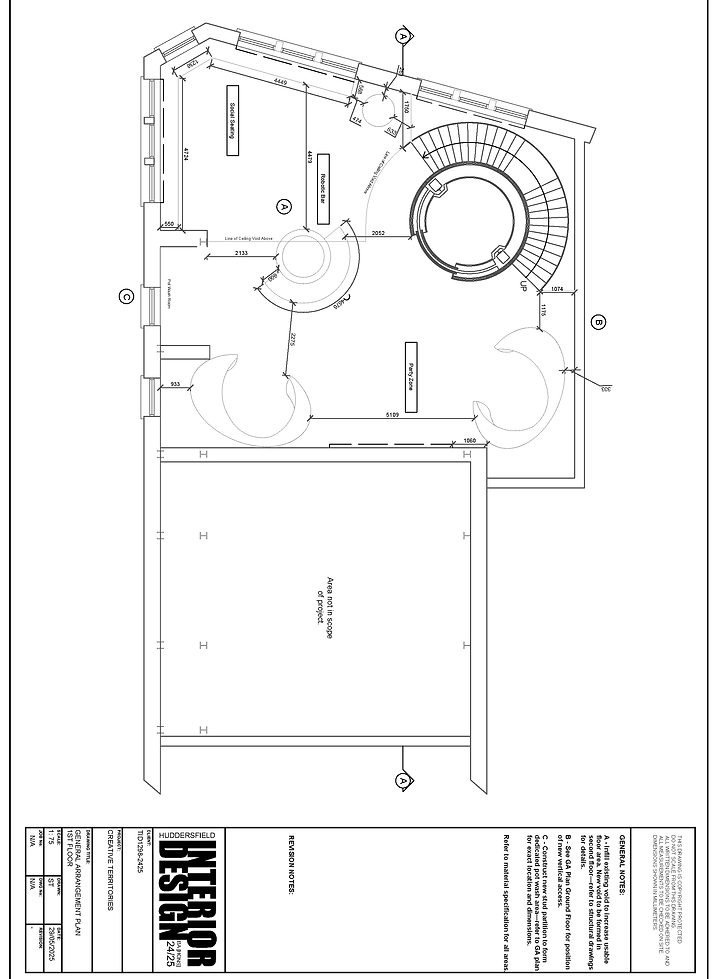
GA Plan First Floor

GA Plan Second Floor

Loose Furniture Plan Ground Floor

Loose Furniture Plan First Floor

Loose Furniture Plan Second Floor
Design Development

Disclaimer: This is an AI generated image.
Location
28 King Street is a Grade II listed building at the heart of Huddersfield’s historic retail district. Originally serving as a building society and later transforming into a clothing store, its architectural resilience and central location have made it a dynamic canvas for evolving business models.
The building itself is a metaphor for the concept of movement through time as the external appearance is old but inside is a new world of technology.
The kinetic floor and neon/ LED lighting, two of my suggested design features, enhance the town's visual and sensory landscape by generating lively and captivating public spaces. In addition to supporting the goals of Huddersfield's future ambitions, my suggested idea increases the town's appeal as a progressive, tech-savvy travel destination.

Disclaimer: The images used for concept inspiration are for reference purposes only and do not represent my original work.
Research Summary
University Students & Young Professionals (18–30)
-
Why they matter: Make up ~10% of the town, tech-savvy, and actively seek immersive, social, and digital experiences.
-
How they align: Perfect match for AI-driven gaming, interactive nightlife, and digital experiences. Likely early adopters.
Working-Age Adults (30–49)
-
Why they matter: They have disposable income and openness to "premium" entertainment.
-
How they align: Likely interested in high-end gaming lounges, craft cocktails, and sophisticated AI-enhanced social experiences.
Culturally Diverse Communities
-
Why they matter: 34% of the population identifies as BAME.
-
How they align: Inclusive experiences, multicultural music nights, international game tournaments, or culturally themed events would resonate.
Urban Explorers / Novelty Seekers
-
Why they matter: Huddersfield has a nightlife culture that supports innovative venues.
-
How they align: "The Chrono Vault" as a sci-fi–themed, tech-forward escape blends well into this scene.


CONCEPT COLLAGE CREATED USING PHOTOSHOP
Layout Planning
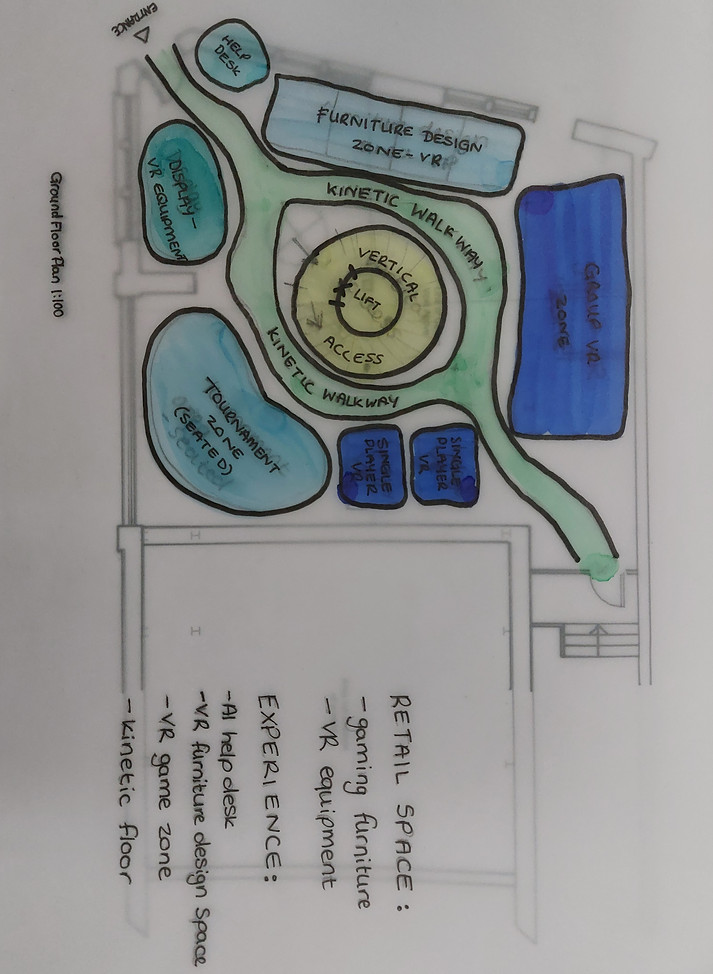
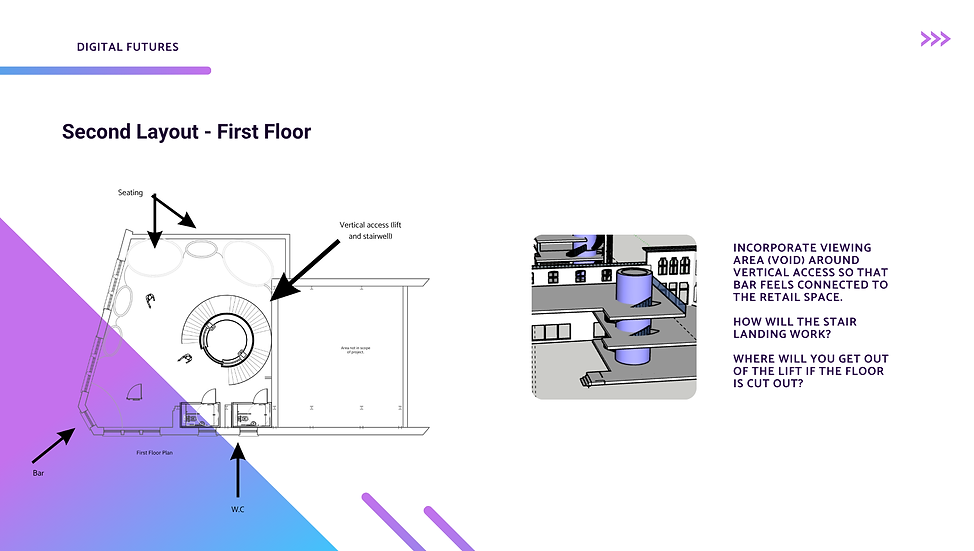
PROPOSED SCHEDULE OF ACCOMODATION FIRST FLOOR
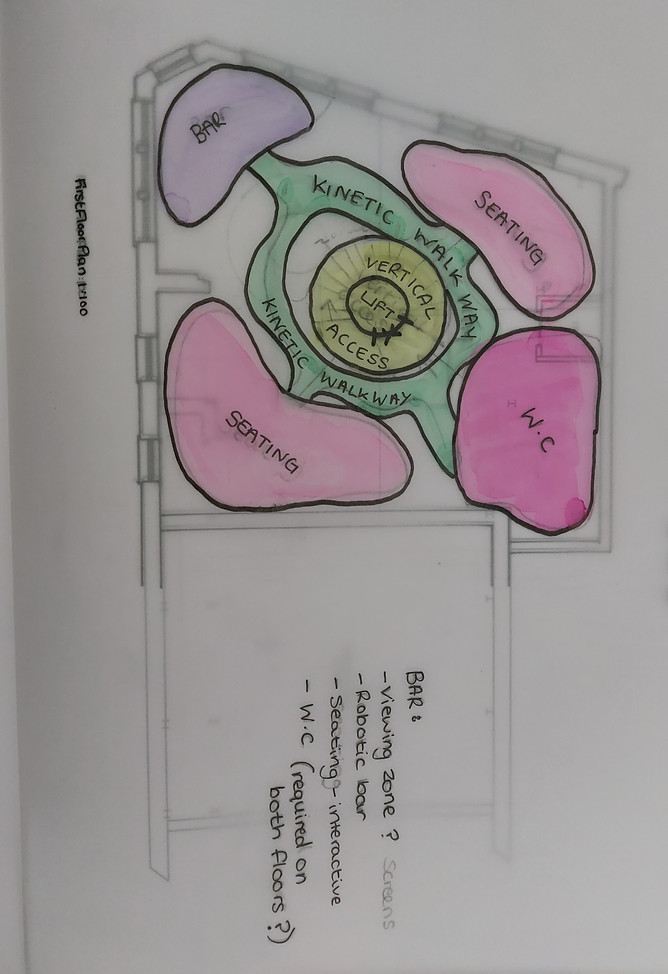
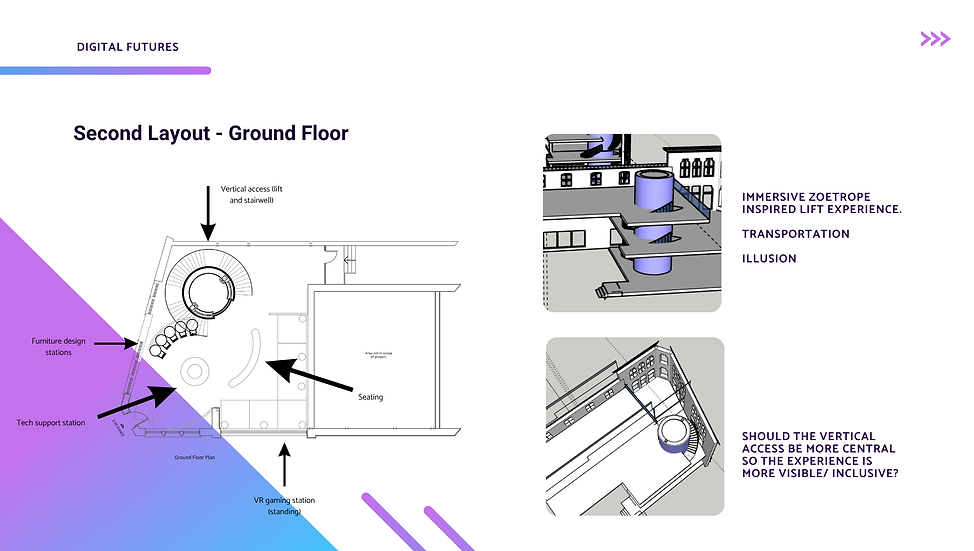
PROPOSED SCHEDULE OF ACCOMODATION GROUND FLOOR
Design Sketches
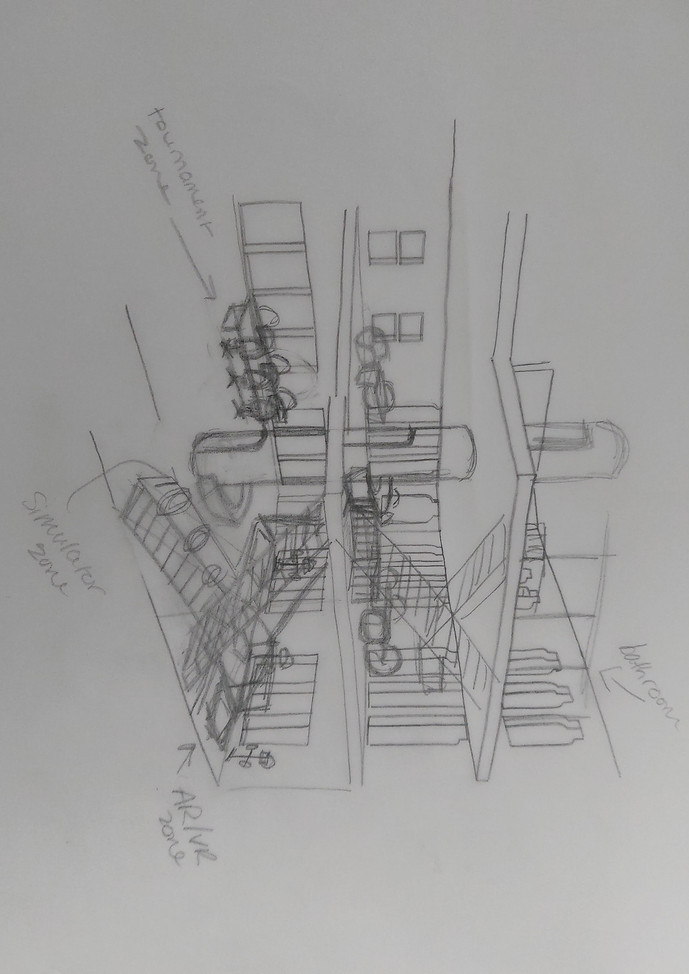
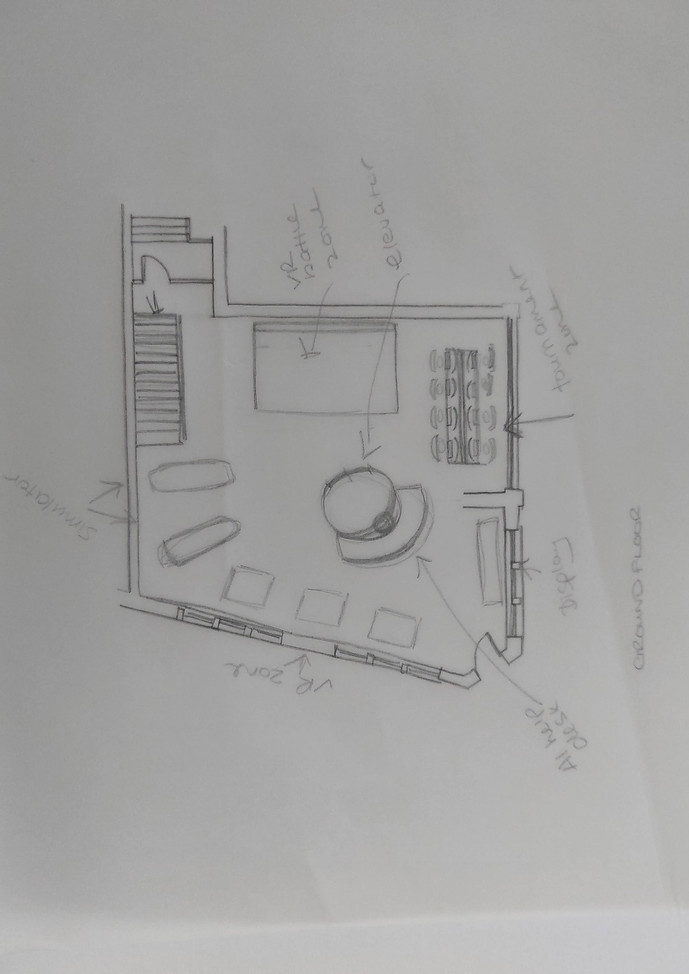
INITIAL LAYOUT IDEA
INITIAL LAYOUT IDEA

.png)
.png)
.png)
.png)
.png)
.png)
.png)
Critical Reflection
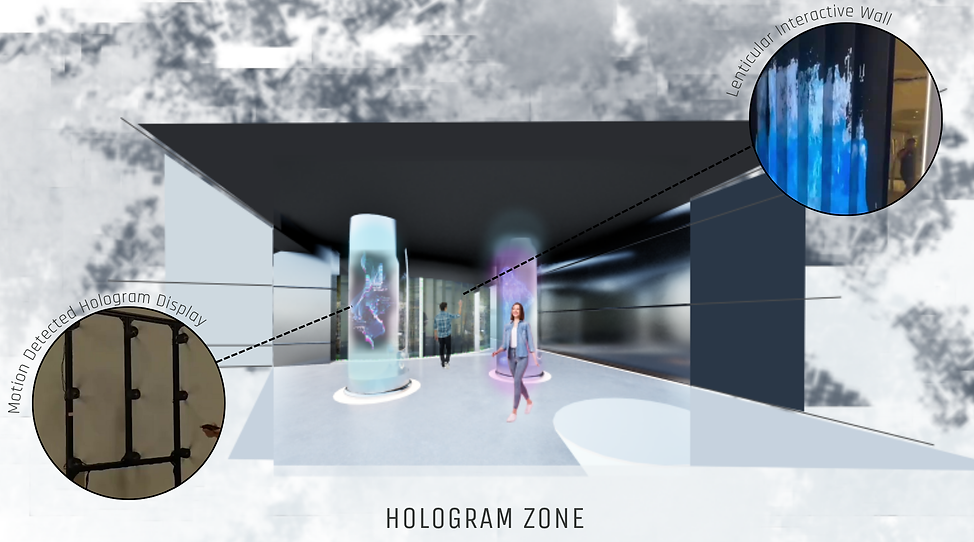
This project set out to explore how dynamic spatial design can interpret the progression of AI and gaming, aiming to create a multi-sensory, forward-thinking environment that offers users an immersive and imaginative experience. The concept was influenced by chronophotography, lenticular art, and holographic techniques, each chosen for their ability to suggest motion and visual transformation, symbolising the evolution of digital technology through time.
A key objective was to empower users with access to premium, immersive VR technology in a setting that feels both aspirational and inclusive. I wanted the space to echo the kind of experiences typically reserved for elite gamers or tech influencers, translating those aesthetics and sensations into a public, commercial environment.
Throughout the process, I continuously adapted the spatial planning to enhance the narrative and user journey. Experimenting with a VR headset proved essential in this regard; it allowed me to step into the role of the user and assess the space from a first-person perspective, refining elements to better support the intended flow and emotional impact.
One of the biggest challenges I faced was working with organic 3D forms. The fluidity of this design demanded advanced modelling techniques that I hadn’t used before. Learning new tools and software while under time pressure hindered my progress at times, but through experimentation and persistence, I achieved forms that aligned with my vision and supported the narrative arc of the space.
I’m particularly proud of how the final design communicates a clear and engaging spatial journey. The presentation material, both visual and conceptual, represents significant growth in my technical skill and design thinking. With more time, I would like to further develop animated walkthroughs or dynamic elements to better express the immersive nature of the space and support the storytelling aspects of the design.
Ultimately, this project challenged me to think beyond aesthetics and function while considering emotion, accessibility, and the cultural significance of emerging technologies.